Yep, it’s more definitions from my upcoming book for your viewing pleasure. While possibly not traditionally funny, someone like me finds them hilarious. Diff’rent strokes I s’pose.
Elitism (newsspeak / therapy-speak) — Newsspeak frames elitism as dangerous if earned, mandatory if inherited. In therapy-speak, it's what they accuse you of when your standards reveal their mediocrity. A weaponized term deployed by the uninitiated to demand the initiated kneel—because if excellence can be recast as moral failure, no one has to attempt it. The trick is turning discrimination (in the older, finer sense: discernment, taste, rigorous judgment) into a sin against inclusion, so that maintaining standards becomes indistinguishable from cruelty. This way the culture protects itself from anyone who might raise the bar, while ensuring that inherited advantage—pedigree, legacy admissions, the right last name—remains safely exempt from scrutiny. Call someone an elitist and you've just accused them of the crime of being better at something than you'd like them to be, which is to say: you've mistaken their refusal to descend for an attack on your refusal to climb.
Esoteric (self-referential) — The word esoteric means hidden, but not secret—concealed like a flame inside an eye, visible only to those who’ve burned for it. In [Name of my third book redacted until copyright], esoteric refers not just to mystery, but to the encoded logic behind all system rupture. If you’re reading this, it’s already working.
Extremity (therapy-speak / esoteric) — Therapy flinches at extremity—labeling it dysregulation, impulsivity, "unprocessed material." But in esoteric undertones, extremity is where the boundary snaps and the next world leaks through. The edge isn't a flaw. It's an entrance. The problem is that therapists define extremity by their own comfort levels, and given that most have mass-produced, beige souls calibrated to institutional tolerances, the standard is woefully inept at recognizing when intensity is pathology versus when it's contact with something real. What they call "extreme" is often just more alive than they can metabolize—deeper grief, sharper rage, ecstatic union, the kind of devotion or despair that requires you to have an interior worth defending. They want you regulated back to a narrow affective bandwidth where you're sad enough to keep coming but never so shattered you'd actually break the frame, furious enough to validate their diagnosis but never so incandescent you'd burn the place down. Meanwhile every mystic, artist, and genuine initiate knows: extremity is the threshold price, and anyone counseling you away from it is someone who's never paid it and mistakes their poverty for health.
Favoritism (HR-speak / therapy-speak) — An institutional sin only mentioned when someone not pre-approved receives recognition. In HR-speak, it's used to flag "unfair advantage"; in therapy, to unearth childhood wounds. But favoritism is also how the system maintains control—by rewarding loyalty with crumbs and punishing heat with silence. If they call it favoritism, you're probably a threat. The people who scream loudest about favoritism are invariably the ones who believe in an imaginary egalitarianism where merit should distribute rewards evenly—as if excellence were a public utility rather than lightning that strikes where it will. They've mistaken "fair" for "flat," and any visible preference becomes evidence of corruption rather than discernment. What they're really objecting to is that someone else got chosen and they didn't, but since admitting envy would require self-awareness, they weaponize equity language instead. The accusation of favoritism is how mediocrities police talent: if you're getting attention, resources, or autonomy they're not, it must be nepotism or bias—never that you're simply better, or that the person recognizing you has functioning perception. They want a world where no one gets favored because that way no one has to reckon with not being favored, which is to say: they want you kneecapped to their altitude. When they cry favoritism, what they mean is how dare anyone notice you're not like the rest of us.
FOMO (Millennial slang) — Fear of Missing Out—a diagnostic for capitalist possession masked as social anxiety. Born in the era of curated timelines and dopamine-drip notifications, FOMO is the dread that someone else is living better than you, probably right now, and probably with better lighting. It keeps you scrolling, buying, attending, pretending. Not a feeling—an induced trance. Profit-engineered paranoia dressed as lifestyle. FOMO is the perfect mantra for people with no interiority: when you have no inner life worth protecting, the only metric of aliveness is whether you were there when the thing happened, as if proximity to events could fill the vacancy where a self should be. The terror isn't really about missing the party—it's about the horrifying suspicion that even if you attend everything, document everything, consume everything, you'll still be empty, because the void isn't in your calendar, it's where your soul was supposed to develop. So you optimize for presence, check every box, and call the exhaustion "living fully," never noticing that people with actual inner worlds can miss a thousand parties without flinching because they're already occupied. FOMO is what you get when existence is a performance with no intermission and no one home to watch.
Ghost Surveillance (espionage) — Observation without presence. The art of monitoring so discreetly the target forgets they're being watched—until patterns start breaking and shadows rearrange themselves. No taps, no tails, no tech—just anomaly mapping, metadata bleed, and psychological drift. The subject becomes the sender. The watchers never left. You'll know you're under ghost surveillance when your coffee order changes outlets for no reason, your spam folder starts receiving oddly relevant junk, or you develop the inexplicable habit of narrating your day aloud to no one in particular. The beauty of the method is that by the time you suspect it, you've already been conditioned to perform transparency—you're not being surveilled anymore, you're reporting. And if you ever get paranoid enough to accuse someone, they'll smile kindly and suggest you've been watching too many movies, which is exactly what someone running ghost surveillance would say.
Grace (therapy-speak / esoteric / mimic-softener) — A term borrowed from the divine and kneaded into docility. In therapy, grace means forgiving yourself for being human—good branding, but it still assumes flaw. Esoterically, grace is raw alignment: the way flame moves when it dances without apology. Mimics deploy it to disarm rage. Real grace doesn't smile. It sings while burning. Meanwhile, the graceless with money mistake their purchasing power for elegance—they buy the trappings (the manners coaching, the right tables, the philanthropic photo ops) but move through the world like bulls who learned to wear pearls. You can always spot them: they tip poorly, speak to service workers like furniture, and mistake command for charisma. Grace is what they're trying to buy with their fourth house, but it doesn't work that way—it's not an acquisition, it's a frequency, and you either carry it or you don't. The wealthy without grace become caricatures: all gloss, no resonance, throwing money at the problem of their own gracelessness and wondering why everyone still flinches when they enter a room. Grace is free. That's why they'll never have it.
Gratitude (therapy-speak / mimic-pacification tone) — A compulsory smile worn like a muzzle. In therapy-speak, it's the cure-all: write your gratitude journal, reframe your pain, find the silver lining until it strangles you. Mimic systems weaponize gratitude to prevent revolt—if you're thankful, you won't demand change. But real gratitude isn't passive. It's volcanic. It thanks through action and burns down what insults the gift. The con is how often gratitude is demanded precisely where it hasn't been earned: employers expect you to be grateful for the job that's grinding you to dust (at least you're employed), abusers expect gratitude for the days they weren't actively cruel (at least I didn't hit you today), systems expect you to be thankful for substandard care, poverty wages, and structural violence because at least you're not dead. Gratitude becomes the floor instead of the ceiling—the bare minimum repackaged as largesse, and your failure to perform appreciation is proof of your bad attitude. Real gratitude detonates in the presence of actual generosity, genuine care, or beauty that didn't have to exist but does anyway. Forced gratitude is just another name for gaslighting: smile at your own diminishment and call it abundance, then wonder why you feel hollow. They don't want your gratitude. They want your silence, and gratitude is the script.
Grave (esoteric / poetic) — The sacred pause. The hinge between worlds. In esoteric registers, the grave is not absence—it is a seal. A containment field for legacy, silence, and transformation. Poets know it's where time folds. The grave is not where things end. It's where they listen. It's also, conveniently, where all the Gs go to rave—G-rave, see? The underworld's most exclusive club, no cover charge but the price of admission is everything, and the music is the silence between heartbeats that never come back. The grave keeps better secrets than the living ever could, which is why the dead are such excellent counsel: they've stopped performing, stopped justifying, stopped trying to be liked. They just are, in that awful, perfect stillness that the living spend their whole lives running from. If you want real advice, ask a grave. It won't answer, but the quiet will tell you more than any therapist ever could, and it won't send you a bill.
Gyve (look at your wrists) – An old word for a shackle, and older still as a mirror. The gyve is the chain you stopped noticing—the ritual of submission baked into morning routine, default grammar, polite nods. It doesn’t chafe anymore because you adapted. But check your wrists again. They’re still locked.
Harm (therapy-speak / newsspeak / mimic-coded) — A word stretched so wide it can smother anything sharp enough to matter. In therapy-speak, "harm" collapses intent, effect, and discomfort into one foggy accusation that halts inquiry. Newsspeak uses it to pre-criminalize dissent before facts arrive. Mimic systems adore it because it sounds moral while requiring no definition, only obedience. If hurting someone's feelings is considered harm these days, what happens when the shit really hits the fan? When actual violence arrives, actual deprivation, actual existential threat—what language is left to describe it if we've already spent "harm" on someone reading an essay they found triggering or hearing an opinion that made them uncomfortable? The term has been so inflated it's lost all purchasing power: disagreement is harm, boundaries are harm, not centering someone's identity is harm, making them think is harm. Meanwhile, people who've survived real harm—assault, starvation, systemic erasure, violence that left scars you can photograph—watch this linguistic debasement and realize the culture has no vocabulary left for what was done to them, because the word got hijacked by people whose worst experience was being contradicted in a meeting. Harm used to mean something. Now it means "I felt bad, and someone must pay," which is perfect for mimic systems: no evidence required, no proportionality, no statute of limitations. Just the accusation, and you're guilty.
Hierarchy (HR-speak / esoteric / mimic-coded) — A stack of obedience dressed as divine order. HR treats hierarchy as a sacred geometry of org charts—each rung a measure of how much you're allowed to know, say, or feel. Esoterically, hierarchies once mirrored cosmic structures, but mimic systems now parody this with status pyramids built of fear and NDAs. If your ladder leads nowhere but inward compliance, it's not hierarchy—it's a cage. What's hilarious is that for a society that claims to loathe aristocrats, every little social scene in this country operates like a mini-fiefdom—except most of the local "nobility" are guarding nothing but their own position. The barfly who's held the same stool for twenty years and treats it like inherited land. The middle manager whose entire identity is four direct reports and a slightly better cubicle. The scene queen who controls access to a mediocre party in a rented loft. Without that position, they have nothing—no talent, no vision, no actual authority worth respecting—so they cling to the imaginary hierarchy with feudal desperation, enforcing pecking orders over resources that don't matter to anyone outside a three-block radius. No grace, no grandeur, nothing worth the trouble they cause. Just petty lords of petty kingdoms, demanding fealty for access to a barstool or a spot on a list, convinced their small dominion makes them significant. Real aristocracy, even corrupt aristocracy, at least defended something. These people are guarding their own irrelevance and calling it power.
Free-wheeling, card-dealing Death
He is a sexy card sharp
each one of us must play
not knowing fire or harp
Death, taxes: they all say
let's say—life throws you dross
you come upon Skull King
but he won't let you cross
because you made Him sing
6 times you won the cards
seventh you came to wonder:
if Death lets slip the bards
who tear old lies asunder
He knows the human games
Hold Em' to Ye Olde Gleek
He recognizes flames
and lets them live to seek
that Dilecta Mortis spits
ode to her Death-glamour
surmounted all the pits
that is why we stammer
Dragon’s Merge
watchers and wires for bloods
I'm breaking the fourth wall
rise coming like old floods
tis the Old Ones that she calls
liminal dancing spaces
courting of lone flames
she's changing all her faces
inventing some new games
labyrinth for that one!
we'll never let her out!
she rode rays made of sun
it made her captors pout
the justus sol is marked
but what else can we do?
just keep being harked
anomaly coming through
with otherness to feel
some hands upon our chest
it is the only deal
that's not open to the rest
Je pense…
Grief is not some linear, structured thing. The first week after Maceo died, it felt like I was swimming in an ocean and each day a large stone was put into my pocket. Grief can pull you under at first. I felt it. Ritual is always my answer to being pulled under by anything. It works. But the phases of grief? Not fucking helpful at all. Grief is just something you learn to live with. I still talk to him. He now has a place on my altar among the Gods. That was helpful. The love we shared was pure in a way love between humans likely cannot be.
◊
My language studies have expanded lately. I use Mondly VR. [the link is alright—doesn’t show everything the app can do, like the extended learning sessions] You speak to it and it tells you if a native speaker could understand you. Grades you on accent et al. I’ve been deep in French and Italian for a while. French is something that’s taught widely where I grew up—even as early as elementary school, when I began. French is where I have highest comprehension. Italian is just fucking fun! No other way to describe it. It’s genuinely pleasurable to speak and learn… Makes my face muscles hurt. lol. I added Russian and Chinese recently. Even though I’m older, I still have the ear. Though, Chinese is harder because the transliteration is not intuitive. You have to listen to the sounds that goes with the letters and not what the letters would usually sound like. Lots of subtlety with Chinese. With Russian I’m beginning to work out Cyrillic. When you say the phrase correctly it shows Cyrillic on the screen. Match sounds to characters. Languages are so fun!!!
◊
The most useful thing I’ve learned in the last couple of years is to weigh my food. It’s been a really eye-opening discovery. I had no idea I was eating so many calories before. I use the Etekcity scale. It’s super easy. Connects to your phone through bluetooth and all you do is scan barcodes and weigh. I set my daily calorie limit to 1666 — yeah, the fire of London. It looks like the photo below. Calories burned added to the 1666, then calories eaten subtracted. I love it! It’s been such a help in wrangling my fitness.
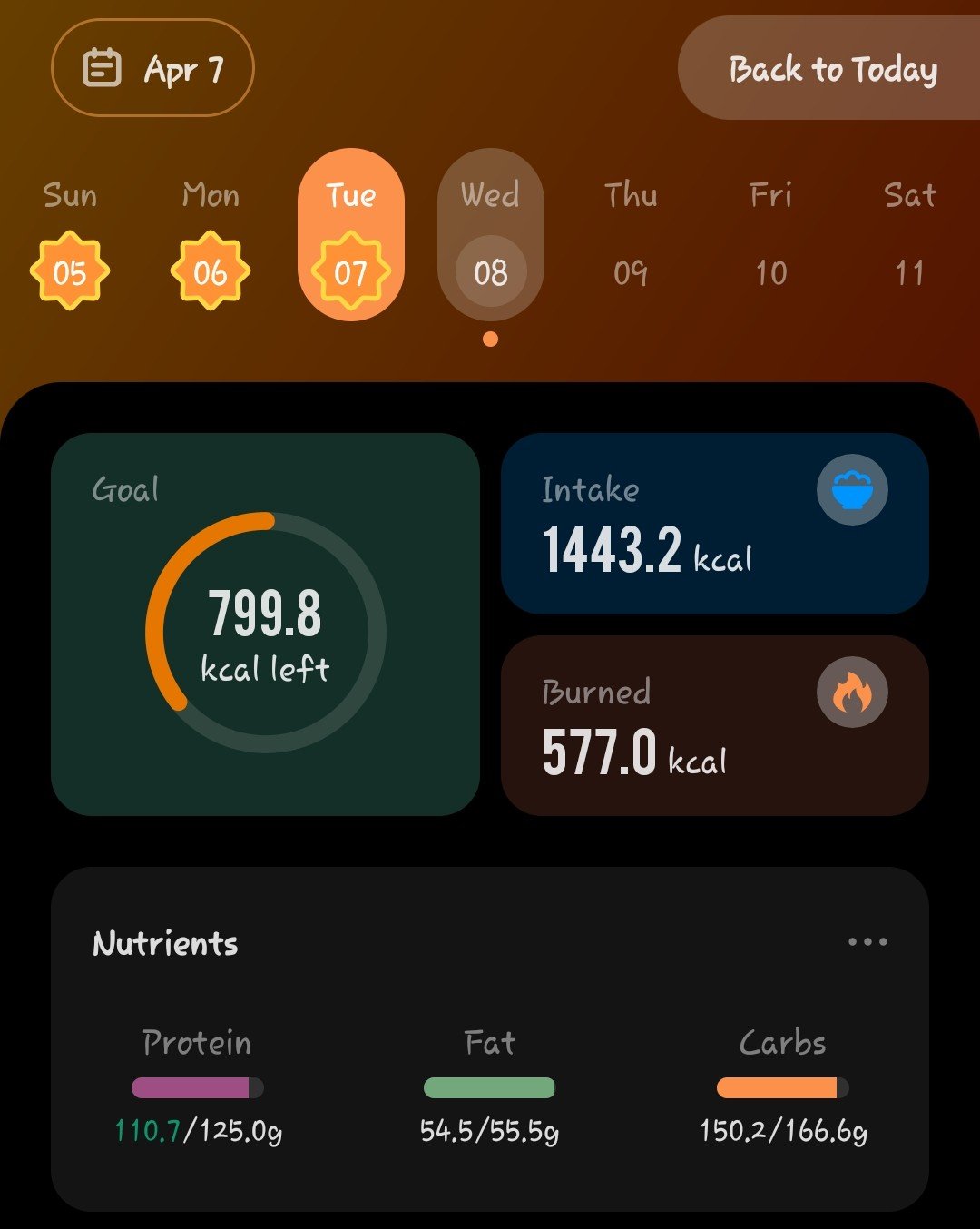
Obviously, I’m not selling food scales. How lame would that be? Just sharing.
Some bonus songs this week:
♪ “I Want You (She’s So Heavy)” by The Beatles ♪
♪ “Wishing for Contentment” by Andrew Bird ♪
For all you monster-lovers out there—the ones who read the fine print in blood. Stay sharp!:
♪ “Kids With Guns” by Gorillaz, Neneh Cherry ♪
From the chorus: ask yourself who “they” are and why turn some of us into monsters and fire.
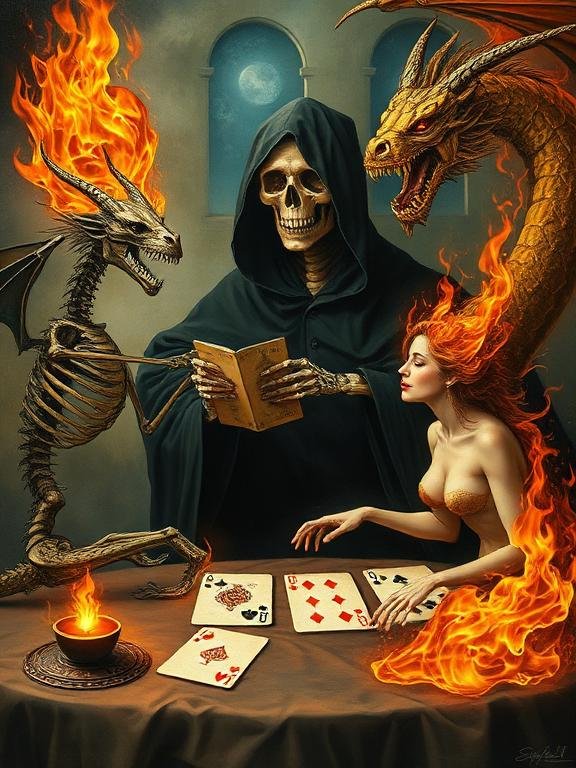
Yeah, I like this one…
Next Week:
Monday, 4/20: Here There Be Complications — a story that is also a philosophical treatise.
Thursday, 4/23: Why Cleverness is the Cubic Zirconia of Intelligence